
Understanding Autophagy: Your Body’s Cellular Cleanup System
Autophagy represents your body’s natural recycling program. The term combines Greek words “auto” meaning self and “phagy” meaning eating. This process removes damaged cellular components while generating energy and building materials for new structures.
Your cells activate autophagy during stress conditions like nutrient deprivation, exercise, or illness. Autophagy-related proteins create double-membrane structures called autophagosomes that capture cellular waste. These structures fuse with lysosomes, where enzymes break down contents into reusable amino acids and other compounds.
Research shows autophagy declines with age, contributing to cellular damage accumulation and disease development. This natural decline makes understanding and supporting autophagy increasingly important for health optimization.
Autophagy’s Direct Impact on Weight Loss
Fat Cell Transformation and Browning
Autophagy influences weight loss through multiple mechanisms. The process promotes browning of white fat cells into metabolically active brown fat cells. Brown fat burns calories for heat production rather than storing energy, increasing your metabolic rate.
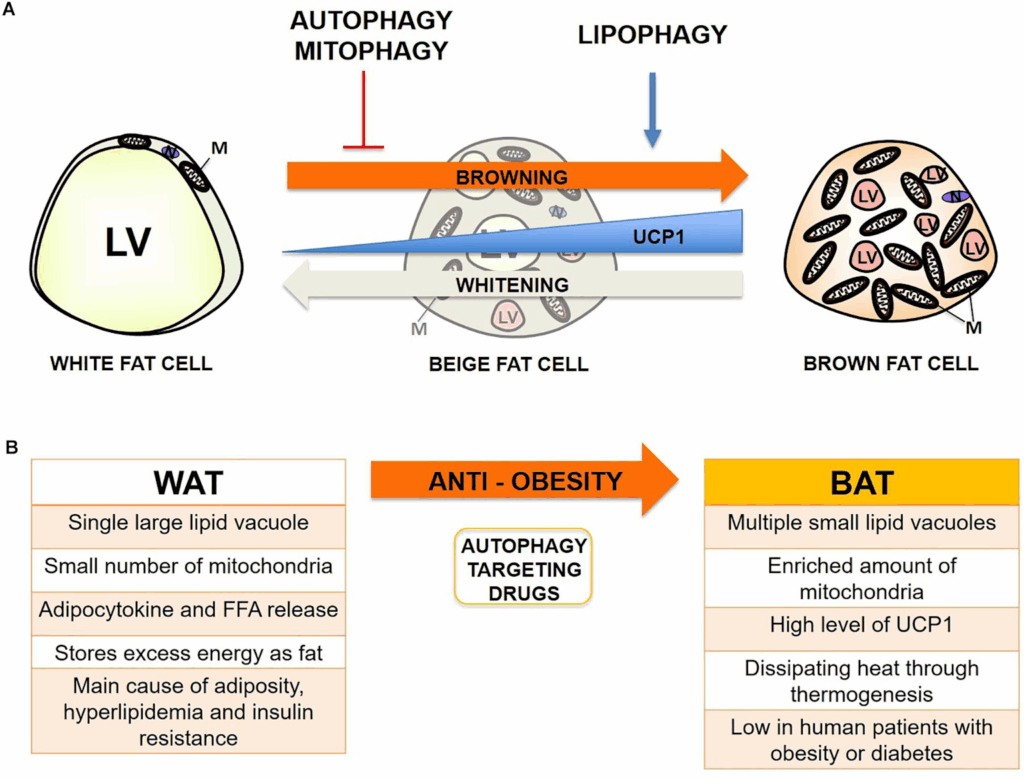
Studies demonstrate autophagy removes damaged mitochondria from fat cells, allowing healthier energy-producing structures to develop. This mitochondrial renewal enhances fat burning capacity and metabolic efficiency.
Metabolic Hormone Regulation
Autophagy affects key hormones controlling appetite and metabolism. The process influences insulin sensitivity, helping your body process glucose more effectively. Improved insulin function reduces fat storage and supports weight loss efforts.
Research indicates autophagy modulates leptin and ghrelin levels, hormones controlling hunger and satiety. These changes naturally reduce appetite and food cravings, supporting sustainable weight management without extreme dietary restrictions.
Cellular Energy Optimization
Autophagy enhances cellular energy production by removing inefficient mitochondria. This process, called mitophagy, eliminates damaged energy factories and promotes new mitochondrial growth. Enhanced mitochondrial function increases daily energy expenditure and fat oxidation.
Studies show people with optimal autophagy function maintain healthier body weight and improved metabolic markers compared to those with impaired cellular cleanup processes.
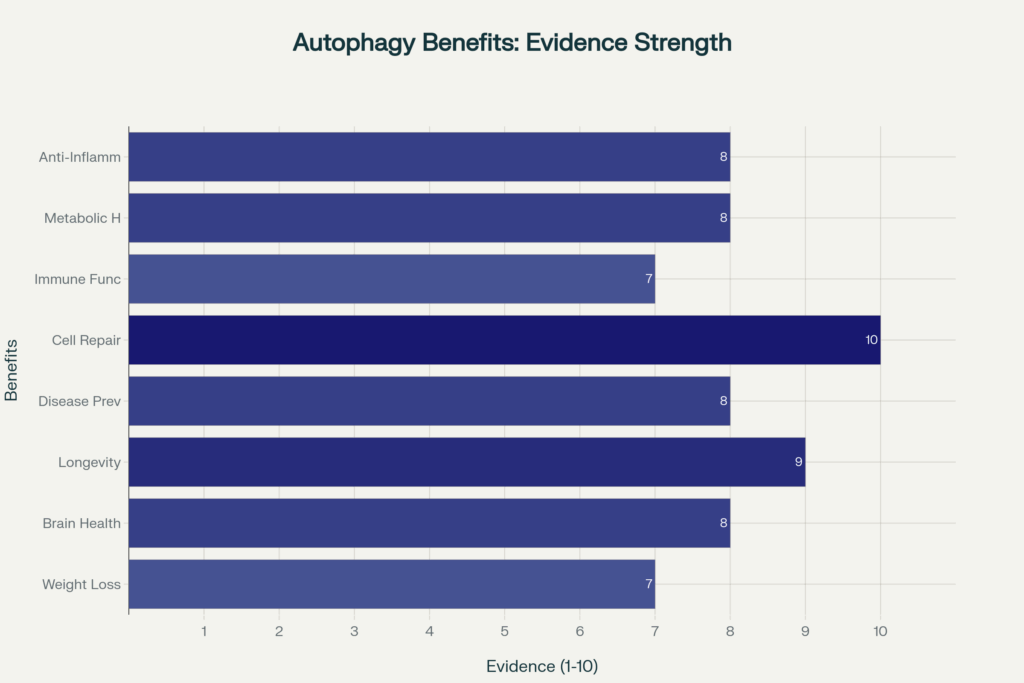
Beyond Weight Loss: Autophagy’s Comprehensive Health Benefits
Brain Health and Neuroprotection
Autophagy provides critical brain protection by removing toxic protein aggregates associated with neurodegenerative diseases. Research demonstrates autophagy clears amyloid-beta plaques linked to Alzheimer’s disease and alpha-synuclein deposits causing Parkinson’s disease.
Studies reveal people with preserved autophagy function show reduced dementia risk despite having brain pathology consistent with Alzheimer’s disease. This suggests autophagy acts as a protective mechanism against cognitive decline.
The process enhances brain-derived neurotrophic factor (BDNF) production, supporting neuron growth and survival. Higher BDNF levels improve memory formation, learning capacity, and overall cognitive function.
Disease Prevention and Cancer Protection
Autophagy plays dual roles in cancer prevention and treatment. Early-stage autophagy removes damaged cells before they become cancerous, reducing tumor initiation risk. The process eliminates potentially harmful cellular components that contribute to genetic instability.
Research shows autophagy-deficient animals develop more tumors and age-related diseases. Enhanced autophagy function protects against chronic conditions including heart disease, diabetes, and inflammatory disorders.
However, established cancer cells sometimes exploit autophagy for survival during treatment. This complexity requires careful consideration when using autophagy-enhancing strategies alongside cancer therapies.
Longevity and Anti-Aging Effects
Studies across multiple species demonstrate autophagy enhancement extends lifespan. The process removes accumulated cellular damage that drives aging, effectively slowing biological deterioration.
Research reveals caloric restriction and intermittent fasting extend lifespan primarily through autophagy activation. These interventions trigger cellular cleanup processes that maintain tissue function and prevent age-related decline.
Animal studies show genetically enhanced autophagy protects against age-related diseases while extending healthy lifespan. These findings suggest autophagy optimization could become a key longevity strategy for humans.
Immune System Enhancement
Autophagy strengthens immune function by removing damaged cellular components and eliminating pathogens. The process helps immune cells maintain optimal performance while reducing inflammation throughout your body.
Studies indicate autophagy removes toxic protein aggregates that trigger chronic inflammation. Lower inflammation levels support better immune responses and reduce chronic disease risk.
Research shows autophagy-deficient immune cells lose effectiveness, leading to increased infection susceptibility and autoimmune disorders.
Natural Methods to Activate Autophagy
Intermittent Fasting: The Primary Trigger
Intermittent fasting represents the most effective method for autophagy activation. Research shows autophagy begins around 12-16 hours of fasting, with peak activity at 24-48 hours.
Popular fasting protocols include:
- 16:8 method (16 hours fasting, 8 hours eating)
- 20:4 method (20 hours fasting, 4 hours eating)
- Alternate day fasting
- Extended fasts (24-72 hours)
Start with shorter fasting windows and gradually extend duration as your body adapts. Most people find 16:8 intermittent fasting sustainable while providing significant autophagy benefits.
Exercise and Physical Activity
Physical activity triggers autophagy through cellular stress mechanisms. Research demonstrates both aerobic exercise and resistance training activate cellular cleanup processes.
High-intensity interval training (HIIT) provides particularly strong autophagy stimulation. Even 30 minutes of moderate exercise several times weekly produces measurable autophagy enhancement.
Exercise-induced autophagy specifically benefits muscle tissue, removing damaged proteins and supporting recovery. This process improves physical performance while maintaining lean muscle mass during weight loss.
Sleep Optimization
Quality sleep naturally enhances autophagy, particularly in brain tissue. Deep sleep allows optimal clearance of metabolic waste and protein aggregates from brain cells.
Aim for 7-9 hours of uninterrupted sleep nightly to support autophagy function. Poor sleep disrupts cellular cleanup processes, contributing to cognitive decline and metabolic dysfunction.
Sleep timing matters too – maintaining consistent sleep schedules helps optimize natural autophagy rhythms.
Stress Management Techniques
Chronic stress impairs autophagy while short-term manageable stress enhances the process. Meditation, deep breathing exercises, and mindfulness practices support optimal cellular function.
Research shows chronic cortisol elevation from ongoing stress inhibits autophagy pathways. Managing stress through regular relaxation practices helps maintain healthy cellular cleanup function.
Heat and cold exposure provide beneficial stress that triggers autophagy. Saunas, cold showers, and temperature contrast therapy activate cellular stress response pathways.
Nutritional Strategies
Certain foods and compounds naturally support autophagy activation. Polyphenol-rich foods like green tea, berries, and dark chocolate enhance cellular cleanup processes.
Autophagy-supporting foods include:
- Green tea (EGCG compound)
- Turmeric (curcumin)
- Cruciferous vegetables (sulforaphane)
- Red grapes (resveratrol)
- Citrus fruits (spermidine)
Temporary protein reduction can trigger autophagy by mimicking nutrient scarcity. However, maintain adequate protein intake long-term to preserve muscle mass and health.
Safety Considerations and Potential Risks
Common Side Effects
Initial autophagy activation may produce temporary side effects including hunger, fatigue, headaches, and irritability. These symptoms typically resolve within 1-2 weeks as your body adapts to new eating patterns.
Stay well-hydrated during fasting periods to minimize headaches and support cellular function. Electrolyte imbalances may occur with extended fasting, requiring careful monitoring.
Who Should Avoid Autophagy Enhancement
Certain populations should avoid or modify autophagy-inducing strategies:
- Pregnant or breastfeeding women
- Children and adolescents
- People with eating disorders
- Individuals with certain medical conditions
- Those taking specific medications
Consult healthcare providers before implementing significant dietary or lifestyle changes, especially if you have underlying health conditions.
Excessive Autophagy Risks
While generally beneficial, excessive autophagy may cause cellular damage. Studies show prolonged extreme fasting or excessive autophagy activation may kill healthy cells, particularly in heart tissue.
Balance autophagy-enhancing activities with adequate nutrition and recovery periods. Listen to your body and adjust approaches to avoid overtraining or excessive stress.
Supplements and Pharmacological Options
Research-Backed Compounds
Several supplements show promise for autophagy enhancement. Rapamycin, originally an immunosuppressive drug, powerfully activates autophagy by inhibiting mTOR pathways.
Metformin, commonly prescribed for diabetes, enhances autophagy through AMPK activation. Research shows metformin improves metabolic health and may extend lifespan through autophagy mechanisms.
Natural compounds with autophagy benefits include:
- Resveratrol (found in red wine)
- Spermidine (wheat germ, mushrooms)
- Berberine (goldenseal, barberry)
- EGCG (green tea extract)
- Curcumin (turmeric extract)
Safety and Considerations
Pharmaceutical autophagy enhancers require medical supervision due to potential side effects. Rapamycin may suppress immune function, while metformin affects blood sugar levels.
Natural compounds generally offer safer profiles but still require appropriate dosing. Consult healthcare providers before adding supplements, especially if taking medications or managing health conditions.
Quality matters when choosing supplements – select third-party tested products from reputable manufacturers to ensure purity and potency.
Practical Implementation Strategies
Starting Your Autophagy Journey
Begin with gentle intermittent fasting using the 12:12 method (12 hours fasting, 12 hours eating). Gradually extend fasting windows as comfort allows, progressing to 14:10, then 16:8 protocols.
Combine fasting with regular exercise, prioritizing both aerobic activity and strength training. Start with 30 minutes of moderate activity most days, gradually increasing intensity and duration.
Optimize sleep by establishing consistent bedtime routines and creating sleep-conducive environments. Address stress through regular meditation, deep breathing, or yoga practices.
Monitoring Progress
Track energy levels, mental clarity, and physical performance as indicators of autophagy optimization. Many people report improved focus, better sleep quality, and enhanced recovery within weeks of implementation.
Weight loss typically occurs gradually as autophagy optimizes metabolism and fat burning. Focus on sustainable habits rather than rapid results for long-term success.
Monitor potential side effects and adjust protocols as needed. Remember that individual responses vary, requiring personalized approaches for optimal results.
Harnessing Autophagy: Weight Loss & Holistic Health BenefitsConclusion
Autophagy represents a fundamental biological process driving weight loss while supporting comprehensive health benefits. This cellular cleanup mechanism optimizes fat metabolism, enhances brain function, prevents disease, and promotes longevity. Understanding autophagy empowers you to harness natural cellular processes for sustainable health improvement.
Weight loss through autophagy occurs via multiple pathways including fat cell browning, metabolic hormone regulation, and cellular energy optimization. These mechanisms provide lasting results beyond traditional calorie restriction approaches.
The benefits extend far beyond weight management, encompassing brain protection, cancer prevention, immune enhancement, and anti-aging effects. These comprehensive advantages make autophagy optimization a valuable long-term health strategy.
Natural activation methods including intermittent fasting, exercise, sleep optimization, and stress management offer accessible approaches for most people. Start slowly, listen to your body, and consult healthcare providers when needed.
Remember that autophagy represents one component of optimal health alongside proper nutrition, regular physical activity, and lifestyle balance. Integrate these approaches gradually for sustainable, long-term success in weight management and overall wellness.
Frequently Asked Questions
1. How long does it take to see weight loss results from autophagy?
Initial weight loss from autophagy typically begins within 2-4 weeks of consistent practice. Significant metabolic improvements and fat loss become apparent after 6-8 weeks of regular intermittent fasting and exercise. Individual results vary based on starting weight, adherence, and overall health status.
2. Does autophagy cause muscle loss during weight loss?
Research shows properly implemented autophagy actually preserves muscle mass during weight loss. The process removes damaged proteins while supporting muscle recovery and growth through enhanced mitochondrial function. Combine autophagy practices with adequate protein intake and resistance training for optimal muscle preservation.
3. What foods should I avoid to maximize autophagy benefits?
Avoid processed foods, excessive sugar, and frequent snacking that suppress autophagy pathways. High-protein meals every few hours inhibit cellular cleanup processes. Focus on nutrient-dense whole foods during eating windows while maintaining appropriate fasting periods for optimal results.
4. Is autophagy safe for people with diabetes?
People with diabetes should consult healthcare providers before implementing autophagy-enhancing strategies. Intermittent fasting may affect blood sugar levels and medication requirements. Medical supervision helps ensure safe implementation while monitoring glucose control and medication adjustments as needed.
5. How does autophagy differ from regular calorie restriction for weight loss?
Autophagy activates cellular repair and regeneration mechanisms beyond simple calorie reduction. While calorie restriction focuses on energy balance, autophagy optimizes cellular function, hormone regulation, and metabolic efficiency. This approach often provides better long-term results with less muscle loss compared to traditional calorie restriction alone.
6. What are the signs that autophagy is working in my body?
Common signs include improved energy levels, mental clarity, better sleep quality, and gradual weight loss. Some people experience temporary fatigue or hunger during initial adaptation. Enhanced physical recovery, reduced inflammation, and improved mood often indicate successful autophagy activation within 2-4 weeks of consistent practice.
7. Should I take supplements to enhance autophagy or rely on natural methods?
Natural methods including intermittent fasting, exercise, and lifestyle optimization provide the safest and most effective autophagy enhancement. Supplements may offer additional benefits but should complement, not replace, fundamental practices. Consult healthcare providers before adding supplements, especially if managing health conditions or taking medications.
8. How often should I practice intermittent fasting for optimal autophagy benefits?
Most research supports daily intermittent fasting protocols like 16:8 or 20:4 for consistent autophagy activation. However, some people benefit from alternate-day approaches or periodic extended fasts. Start with shorter daily fasting windows and adjust frequency based on your response, lifestyle, and health status while maintaining sustainability.
Was this Blog Post useful to you?