You want to activate autophagy through fasting, but wondering if 16 hours is enough time to trigger this cellular cleanup process. The answer isn’t straightforward—while 16 hour fasting autophagy benefits exist, the timing and intensity vary significantly among individuals.
Recent human studies show autophagy markers increase after 16 hours of fasting, but peak benefits occur much later. Understanding when autophagy truly activates helps you optimize your fasting strategy for maximum cellular health benefits.
Understanding Autophagy: Your Body’s Cellular Recycling System
Autophagy literally means “self-eating”—your cells’ natural process of breaking down damaged components and recycling them for energy. This cellular housekeeping mechanism removes misfolded proteins, damaged mitochondria, and other cellular debris that accumulate over time.
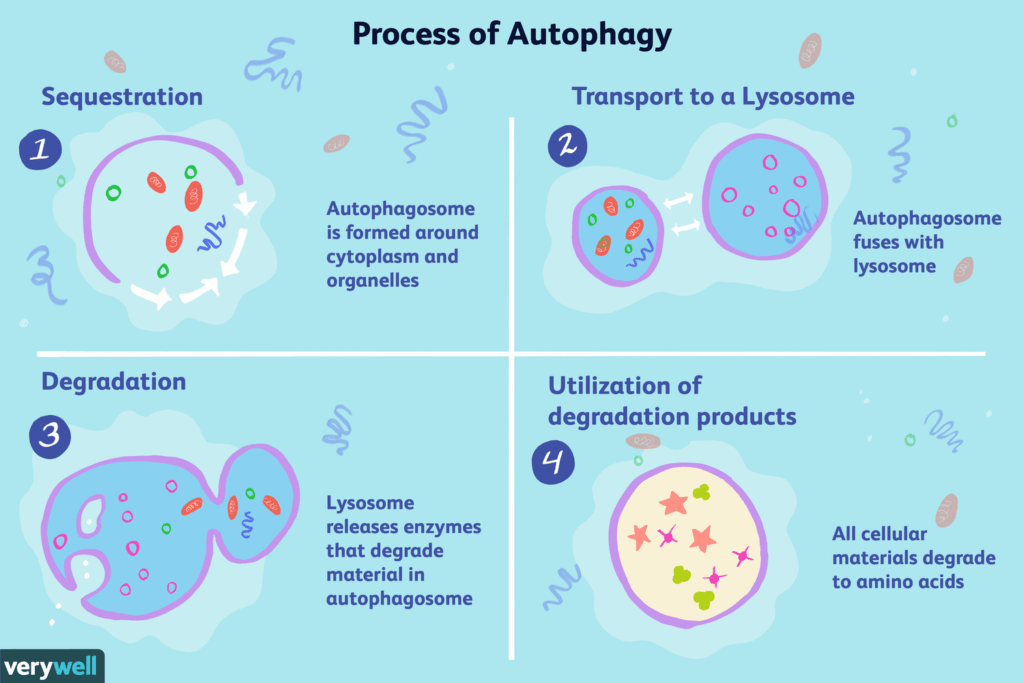
The process involves several key steps. First, a membrane structure called a phagophore forms around damaged cellular components. This structure expands to create an autophagosome, which then fuses with a lysosome containing digestive enzymes. Finally, the contents break down into amino acids, fatty acids, and other molecules your body can reuse.
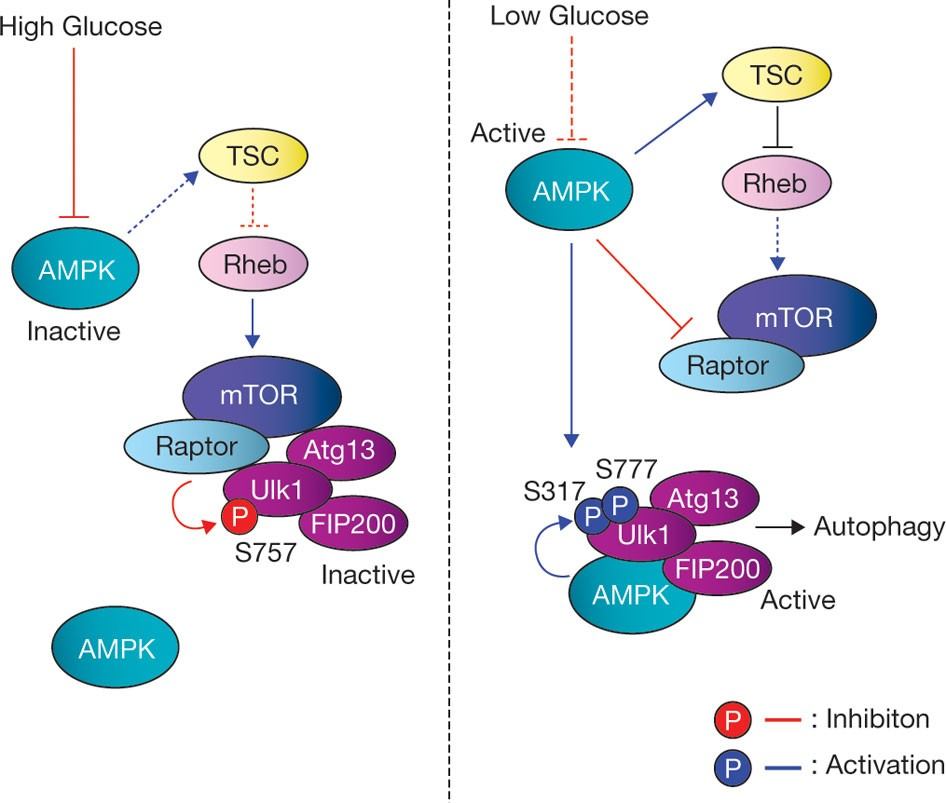
Two critical proteins regulate autophagy: mTOR (mechanistic target of rapamycin) and AMPK (AMP-activated protein kinase). mTOR acts like a nutrient sensor—when nutrients are abundant, it blocks autophagy. When you fast, mTOR activity decreases while AMPK increases, triggering the autophagy process.
Scientists measure autophagy using specific biomarkers. LC3-II protein levels indicate autophagosome formation, while p62 protein degradation shows autophagic flux—the complete autophagy process from start to finish.
The Science Behind 16 Hour Fasting and Autophagy
Research reveals complex timing for 16 hour fasting autophagy activation. A landmark study published in Nutrients found that early time-restricted feeding (eating between 8am-2pm) increased LC3A gene expression—a key autophagy marker—after just one 18-hour fast. This suggests autophagy signals begin relatively early in the fasting window.
However, significant autophagy activation requires longer periods. Animal studies consistently show autophagy evidence after 24 hours of fasting, with peak activity occurring around 48 hours. Human studies using muscle and blood samples demonstrate LC3-II protein levels rise 1.9-fold at 20 hours and 2.3-fold at 24 hours compared to fed states.
The key distinction lies between autophagy initiation and meaningful activation. While 16-hour fasts can trigger some autophagy signals, they may not generate the robust cellular cleanup associated with longer fasting periods.
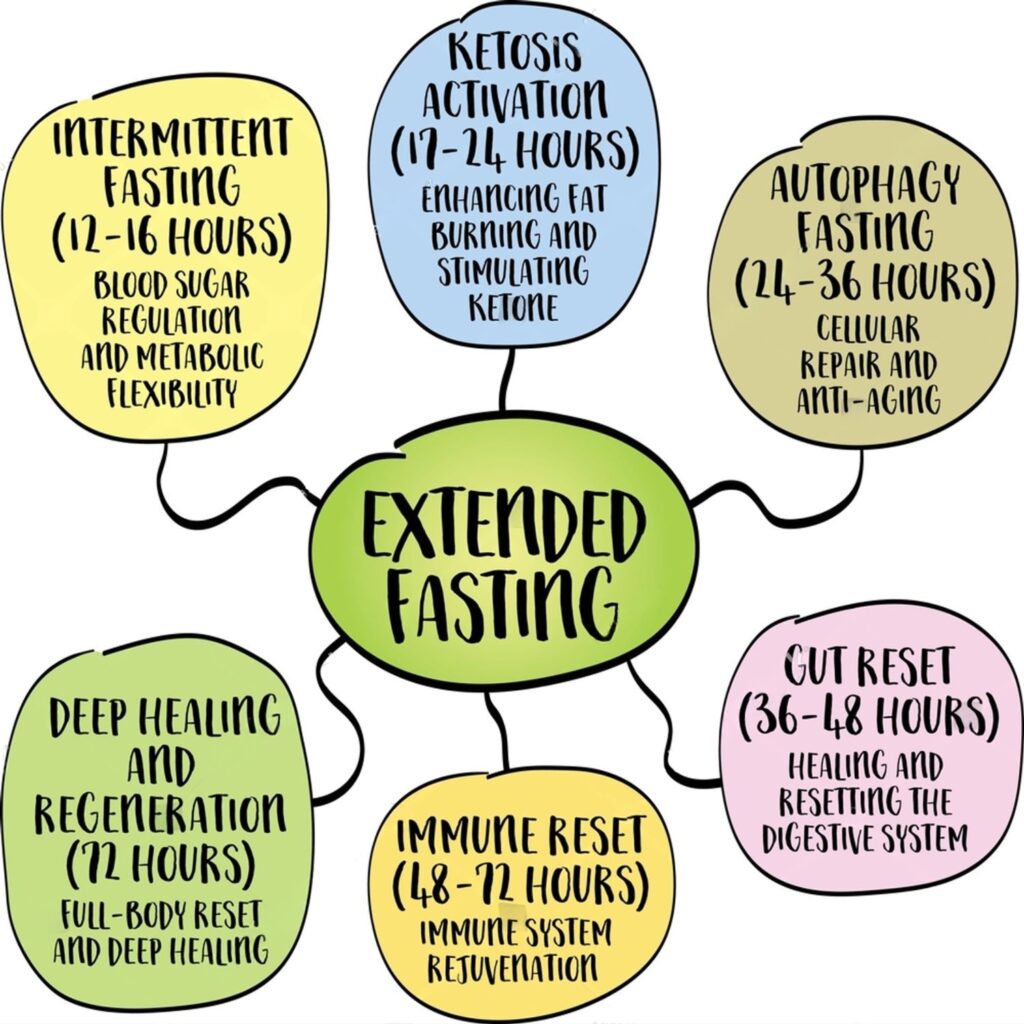
Autophagy Timeline During Fasting:
- 12-16 hours: Initial autophagy gene expression changes
- 16-18 hours: Measurable increases in autophagy markers
- 24 hours: Significant autophagy protein activity
- 48-72 hours: Peak autophagy benefits
Recent human research provides more nuanced insights. A 2025 study in The Journal of Physiology followed 121 people with obesity for six months, comparing standard care, calorie restriction, and intermittent time-restricted eating. The intermittent fasting group showed significantly increased autophagy markers after six months, but changes weren’t immediate.
Factors That Influence 16 Hour Fasting Autophagy Effectiveness
Individual factors significantly impact when and how effectively 16 hour fasting autophagy occurs. Your metabolic rate, body composition, diet history, and overall health status all influence autophagy timing.
Metabolic Factors:
- Body fat percentage affects how quickly you deplete glucose stores
- Insulin sensitivity determines how rapidly you enter the fasted state
- Muscle mass influences protein breakdown patterns during fasting
People with higher metabolic flexibility—the ability to switch between glucose and fat burning—may activate autophagy earlier. Conversely, individuals with insulin resistance might require longer fasting periods to achieve similar benefits.
Your previous meal composition also matters. High-carbohydrate meals extend the time needed to deplete glucose stores, potentially delaying autophagy activation. Protein-rich meals may influence autophagy differently due to amino acid availability affecting mTOR signaling.
Age plays a crucial role since autophagy efficiency naturally declines with aging. Older adults may need longer fasting periods or additional autophagy-promoting strategies to achieve the same benefits as younger individuals.
Comparing 16 Hour Fasting to Other Autophagy Strategies
| Fasting Duration | Autophagy Activation | Practical Difficulty | Safety Level |
|---|---|---|---|
| 12 hours | Minimal | Very Easy | Excellent |
| 16 hours | Moderate | Easy | Excellent |
| 24 hours | Strong | Moderate | Good |
| 48 hours | Peak | Challenging | Requires supervision |
The 16:8 method (16 hours fasting, 8 hours eating) represents a sweet spot between practicality and effectiveness. While not producing maximum autophagy activation, it offers sustainable benefits without extreme dietary restrictions.
Extended fasting periods of 24-48 hours generate more robust autophagy responses but come with increased risks. These longer fasts require careful planning, electrolyte management, and often medical supervision.
Alternate-day fasting and the 5:2 protocol (eating normally five days, restricting calories two days) provide middle-ground approaches. Research suggests these methods can increase autophagy markers while remaining more manageable than extended fasts.
Maximizing 16 Hour Fasting Autophagy Benefits
Several strategies can enhance autophagy activation during 16-hour fasts, even if the duration isn’t optimal for peak cellular cleanup.
Exercise Enhancement:
Regular physical activity, particularly during fasted states, amplifies autophagy signals. Exercise creates cellular stress that triggers autophagy pathways independent of fasting. Combining morning workouts with 16-hour fasts may provide synergistic benefits.
Nutrient Timing:
Your last meal composition influences autophagy onset. Lower-carbohydrate, moderate-protein meals before fasting may help you enter the autophagy-promoting state earlier. Avoiding late-night eating also improves fasting effectiveness.
Sleep Optimization:
Quality sleep naturally promotes autophagy in brain cells. Ensuring 7-9 hours of good sleep during your fasting window maximizes the cellular repair processes occurring overnight.
Hydration and Electrolytes:
Proper hydration supports cellular function during fasting. Adding a small amount of sea salt to water can help maintain electrolyte balance without breaking your fast.
Measuring Your 16 Hour Fasting Autophagy Response
Unlike glucose or ketones, autophagy lacks simple home testing methods. However, several indirect markers can indicate whether your 16-hour fasts are promoting cellular cleanup.
Physical Indicators:
- Sustained energy levels during fasting hours
- Reduced inflammation markers (less joint stiffness, clearer skin)
- Improved mental clarity during fasted states
- Better sleep quality
Laboratory Markers:
Some healthcare providers can test autophagy-related biomarkers, though these aren’t routine tests. LC3-II levels, p62 degradation, and other cellular markers require specialized laboratory analysis.
Glucose-Ketone Index (GKI):
While not directly measuring autophagy, achieving a GKI of 1.0 or lower (blood glucose divided by blood ketones) correlates with enhanced autophagy states. This typically requires fasting periods longer than 16 hours but can serve as a proxy marker.
Health Benefits Beyond Autophagy
Even if 16-hour fasts don’t maximize autophagy, they provide numerous other health benefits that support cellular function and longevity.
Metabolic Benefits:
- Improved insulin sensitivity
- Enhanced fat oxidation
- Better glucose control
- Increased growth hormone production
Cardiovascular Health:
Research shows 16-hour fasts can reduce blood pressure, improve cholesterol profiles, and decrease inflammatory markers—all supporting heart health.
Brain Function:
Time-restricted eating patterns may enhance cognitive function, even if autophagy activation is submaximal. The metabolic flexibility gained through fasting benefits brain health.
Safety Considerations for 16 Hour Fasting
While generally safe for healthy adults, 16-hour fasting requires attention to individual circumstances and potential contraindications.
Who Should Avoid Extended Fasting:
- Pregnant and breastfeeding women
- Children and adolescents
- People with eating disorder histories
- Individuals with certain medical conditions
- Those taking medications that require food timing
Potential Side Effects:
- Initial hunger and fatigue
- Headaches during adaptation
- Mood changes
- Sleep disruption
Most side effects resolve within 1-2 weeks as your body adapts to the new eating pattern. Starting gradually with 12-hour fasts and extending to 16 hours can minimize discomfort.
Optimizing Your Fasting Strategy
Success with 16 hour fasting autophagy depends on consistency and personalization. Consider these factors when designing your approach:
Timing Flexibility:
Early time-restricted eating (finishing meals by 2-4pm) may provide stronger autophagy signals than late eating windows. However, social and work schedules often dictate practical timing.
Frequency Considerations:
Daily 16-hour fasts offer consistency, but some people benefit from varying their fasting schedule. Mixing 16-hour fasts with occasional longer periods (24-36 hours) monthly might optimize autophagy while maintaining sustainability.
Nutritional Quality:
Focus on nutrient-dense whole foods during eating windows. Poor nutrition can impair autophagy even with proper fasting timing.
16-Hour Fasting Autophagy: Key Takeaways & BenefitsConclusion
16-hour fasting does activate autophagy, but not to the same degree as longer fasting periods. While you’ll experience some cellular cleanup benefits, peak autophagy typically occurs after 24-48 hours of fasting.
For most people, 16-hour fasts offer an excellent balance of benefits and sustainability. The moderate autophagy activation, combined with improved insulin sensitivity, fat burning, and other metabolic advantages, makes this approach valuable for long-term health.
Consider 16-hour fasting as part of a broader health strategy rather than a standalone autophagy maximizer. Combining it with exercise, quality sleep, and good nutrition amplifies the cellular benefits even if the fasting duration isn’t optimal.
If your primary goal is maximizing autophagy, occasional longer fasts (24-48 hours) under proper supervision might be more effective. However, for sustainable lifestyle integration, 16-hour fasts provide meaningful health benefits while remaining manageable for most people.
Frequently Asked Questions
1. How quickly does autophagy start during 16-hour fasting?
Autophagy gene expression changes begin around 12-16 hours of fasting, with measurable protein markers appearing after 18-20 hours. However, significant cellular cleanup typically requires 24+ hours.
2. Can I drink coffee or tea during my 16-hour fast without stopping autophagy?
Black coffee and plain tea don’t significantly interrupt autophagy. The small amount of caffeine may actually enhance the process. However, adding cream, sugar, or artificial sweeteners can reduce autophagy benefits.
3. Is 16-hour fasting better than 12-hour fasting for autophagy?
Yes, 16-hour fasting produces more autophagy activation than 12-hour periods. Research shows meaningful increases in autophagy markers after 16+ hours, while 12-hour fasts provide minimal cellular cleanup benefits.
4. Will taking supplements break my 16-hour fast and stop autophagy?
Most supplements don’t contain enough calories to significantly impact autophagy. However, large amounts of branched-chain amino acids (BCAAs) or protein powder can activate mTOR and reduce autophagy benefits.
5. How often should I do 16-hour fasts to get autophagy benefits?
Daily 16-hour fasts provide consistent but moderate autophagy activation. For enhanced benefits, consider combining regular 16-hour fasts with monthly 24-36 hour fasts, if medically appropriate.
6. Can exercise during my 16-hour fast increase autophagy?
Yes, exercise during fasted states can enhance autophagy through multiple pathways. Light to moderate exercise is generally safe during 16-hour fasts and may amplify cellular cleanup processes.
7. Are there any foods that can boost autophagy during my eating window?
Certain compounds like resveratrol, curcumin, and green tea polyphenols may support autophagy pathways. However, fasting remains the most effective dietary strategy for autophagy activation.
8. What signs indicate my 16-hour fasting is working for autophagy?
While direct autophagy measurement requires lab tests, positive signs include sustained energy during fasting, improved mental clarity, better sleep quality, reduced inflammation, and enhanced metabolic flexibility.
References for External Links:
- National Institute on Aging research on autophagy and longevity
- Autophagy scientific journal publications
- Mayo Clinic guidelines on intermittent fasting safety
- American Heart Association position on time-restricted eating
Was this Blog Post useful to you?